If you run a card shop or specialist retail store anywhere in Europe, the Elite Trainer Box is probably already one of your best-selling Pokémon TCG products — or it should be. No other sealed format combines gift appeal, collector demand and shelf presence the way an ETB does.
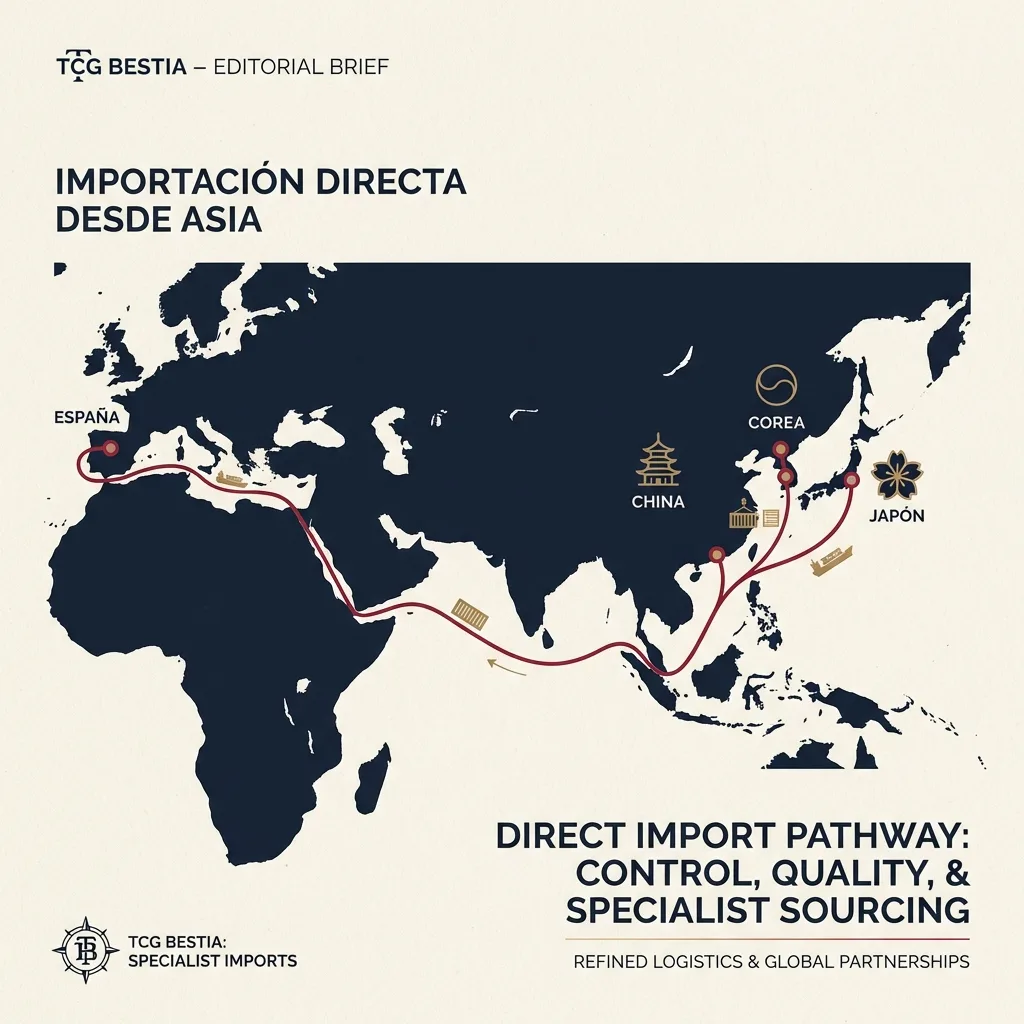
This guide covers why the format works so well at retail, what to look for when buying elite trainer box wholesale, how Japanese premium product fits alongside it, and how European stores are sourcing both through direct importers instead of waiting on allocation from their local distributor.
Why the Elite Trainer Box is the best rotation format in Pokémon TCG retail
A booster pack is an impulse buy. A booster box is an enthusiast buy. The Elite Trainer Box sits exactly between the two, and that middle position is where retail value lives.
Each ETB includes booster packs, card sleeves, dice, condition markers, energy cards, a player's guide and a storage box, plus an exclusive promo card only available in that ETB. That bundle does three things for your store:
1. It captures the gift buyer
A good part of physical retail demand comes from people who do not play the game: parents, grandparents, friends buying a birthday present. These customers do not buy loose packs — they want something that looks complete and costs a "present" amount. The ETB is designed for exactly that purchase, which is why it tends to sell all year and peak around the holidays.
2. It raises your average ticket
One ETB sale carries a much higher ticket than a loose pack, in a single transaction and with one customer interaction. For a small store with limited counter time, that efficiency matters as much as anything on the price tag.
3. The exclusive promo card creates collector demand
Because each ETB contains a promo card you cannot get anywhere else, collectors buy the box even when they already buy booster boxes of the same set. You are effectively selling to two different customer segments with one SKU.
English vs Japanese product: what to stock
The classic ETB is an English-language product tied to the European release calendar. That makes it essential stock — but also means every competitor has the same product at roughly the same cost, because it flows through the same official channel.
This is where Japanese product changes the equation. Japan does not use the exact ETB format, but Japanese premium boxes, special sets and Pokémon Center exclusives play the same role on your shelf: a higher-ticket, gift-ready sealed product — with two advantages:
- Exclusivity: Japanese sets, exclusive artworks and Pokémon Center boxes never reach the standard European distribution channel. If you stock them, you are selling something the big-box store down the street cannot order.
A sound shelf strategy is not either/or: English ETBs anchor the mainstream and tournament crowd, while Japanese premium boxes serve collectors and differentiate the store. For a deeper look at the Japanese side, see our guide to Japanese Pokémon booster boxes wholesale.
How the sourcing channels compare for ETBs
Conditions vary by set, timing and supplier, but the structure is consistent:
| Sourcing channel | Availability |
|---|---|
| Official national distributor | Allocation-based, often short on hot sets |
| European master distributor | Geared to volume buyers, conditions apply |
| Direct importer (Asian product) | Exclusive sets, no European allocation games |
Two practical notes from the distribution side:
- Allocation risk is the hidden cost of the official channel. When a set is hot, allocation shrinks exactly when demand peaks. Stores that complement official allocation with directly imported Japanese product keep their shelves full during those windows — and it gives you something your competitors do not have.
- Price-protect your evergreen sets. Not every ETB needs to be the newest release. Older sets with popular Pokémon on the packaging keep selling to gift buyers who neither know nor care about the release calendar.
How European stores source ETBs and premium boxes wholesale
Wherever your store is in Europe, you have the same options as everyone else: your national distributor, a European master distributor, or a direct importer. We compared all four supply channels in detail in our guide to the best Pokémon TCG distributors in Europe, but the short version for ETB-style product is:
- Use the official channel for English-language ETBs tied to the European calendar — there is no way around it, and you need the product.
- Use a direct importer for Japanese premium boxes, exclusive sets and Korean product that the official channel simply does not carry.
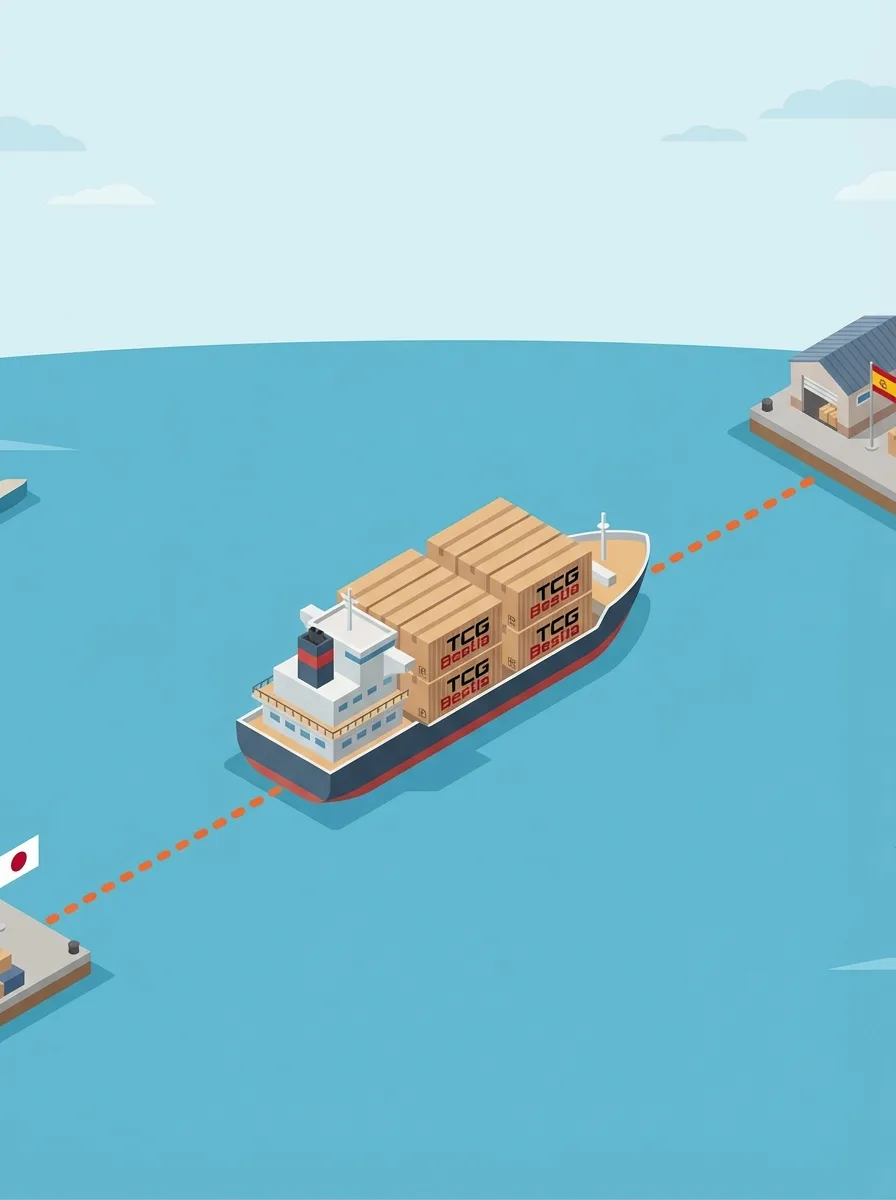
TCG Bestia works as that second channel for stores across the EU: direct imports from Japan, Korea and China, stock held in Europe, EU-wide shipping, and intra-community VAT invoicing for any business with a valid VAT number. Every shipment passes an in-house authenticity verification at origin — which matters more than ever given how much fake Japanese product circulates through informal channels.
Timing your ETB orders: the calendar matters
The ETB is a seasonal product wearing an evergreen costume, and stores that plan around its calendar tend to do better than stores that reorder reactively.
Q4 matters a lot. Gift-driven formats tend to concentrate sales in November and December. That means your Q4 stock decisions happen in September and October — once the season starts, allocation on English product tightens and import lead times from Japan work against you. Build your holiday position early, and remember that the customer buying a present in December does not care that a set launched eight months ago; they care that the box has Pikachu on it.
Release weeks pull forward demand. When a major set launches, ETB demand spikes for a short period and then settles to its baseline. Order enough to ride the spike, but do not judge a set's long-term rotation by its launch fortnight.
Evergreen back-catalogue fills the gaps. Between releases and outside Q4, older ETBs and Japanese premium boxes keep the shelf attractive. This is where the direct import channel earns its place: while allocated product is either sold out or identical to every competitor's, imported Japanese boxes give you something new to show regulars on every restock.
A simple rule of thumb that works for most small and mid-size stores: split your sealed budget roughly into anchors (current English ETBs and boosters), differentiators (Japanese and Korean premium product) and opportunistic buys (undervalued back-catalogue). Adjust the ratios with your own sales data after one full quarter.
Getting started
The practical first step is a mixed test order: a few English ETBs if you need to fill allocation gaps, plus Japanese premium boxes and booster boxes to measure how exclusivity performs with your customers. Rotation data from your own counter beats any market report.
You can review the full conditions on our wholesale page or request a B2B account — tell us your store profile and market, and we will recommend a first order built around what rotates in your market.