Pokémon Center boxes can be bought wholesale in Europe only through direct importation, because Pokémon Center exclusives are produced for the Japanese market and never allocated to the European wholesale channel. TCG Bestia supplies them to stores; this guide explains what the product is, why national distributors cannot order it and how to price it.
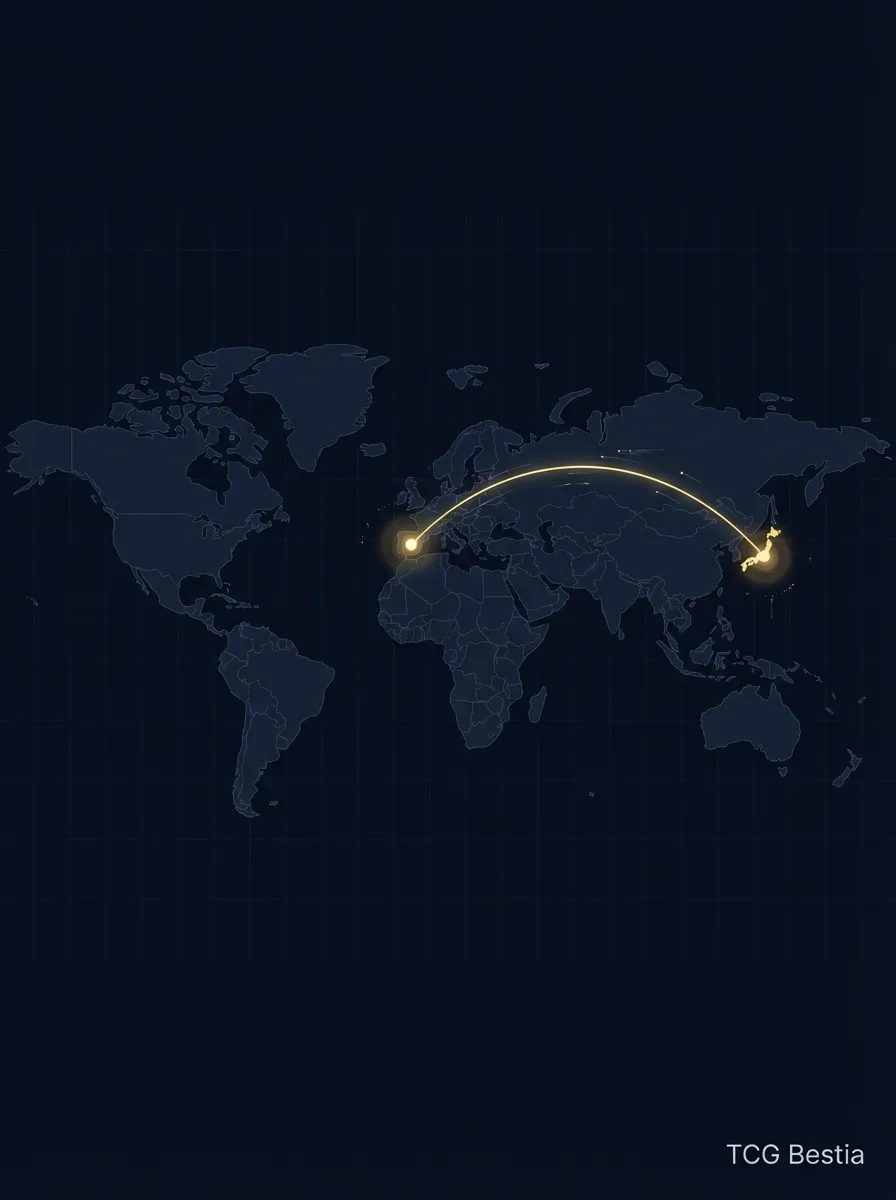
Pokémon Center exclusives are produced for the Japanese domestic market, sold only through Pokémon Center's own stores and online shop, and never allocated to the European wholesale channel. For a store in Germany, France, Italy or the Netherlands, that means the product cannot be ordered from your national distributor at any price. The only route to Europe is direct importation, and that scarcity is what makes it a distinctive sealed category for a specialist store.
This guide explains what the product actually is, why the standard channel cannot supply it, and how European stores are buying it wholesale through direct importers.
What Pokémon Center product actually is
Pokémon Center is the official retail chain of The Pokémon Company in Japan. Alongside plush, apparel and accessories, it sells TCG product — and a share of that TCG product is exclusive to Pokémon Center itself:
- Exclusive box bundles: standard booster packs of a Japanese set packaged with items only available in that bundle — exclusive promo cards, sleeves, deck boxes or artwork.
- Limited editions tied to events or store openings.
Two properties define the category: it is official product (this is not grey-market or fan-made merchandise; it comes from The Pokémon Company's own retail arm), and it is structurally scarce (sold only through Pokémon Center in Japan, with no wholesale channel behind it).
Why your distributor cannot order it
The standard supply chain for European stores runs from The Pokémon Company International through European master distributors down to national distributors. Pokémon Center product never enters that chain. It is a retail-only, Japan-only line — there is no allocation, no price list, no order form.
That has three consequences for the European market:
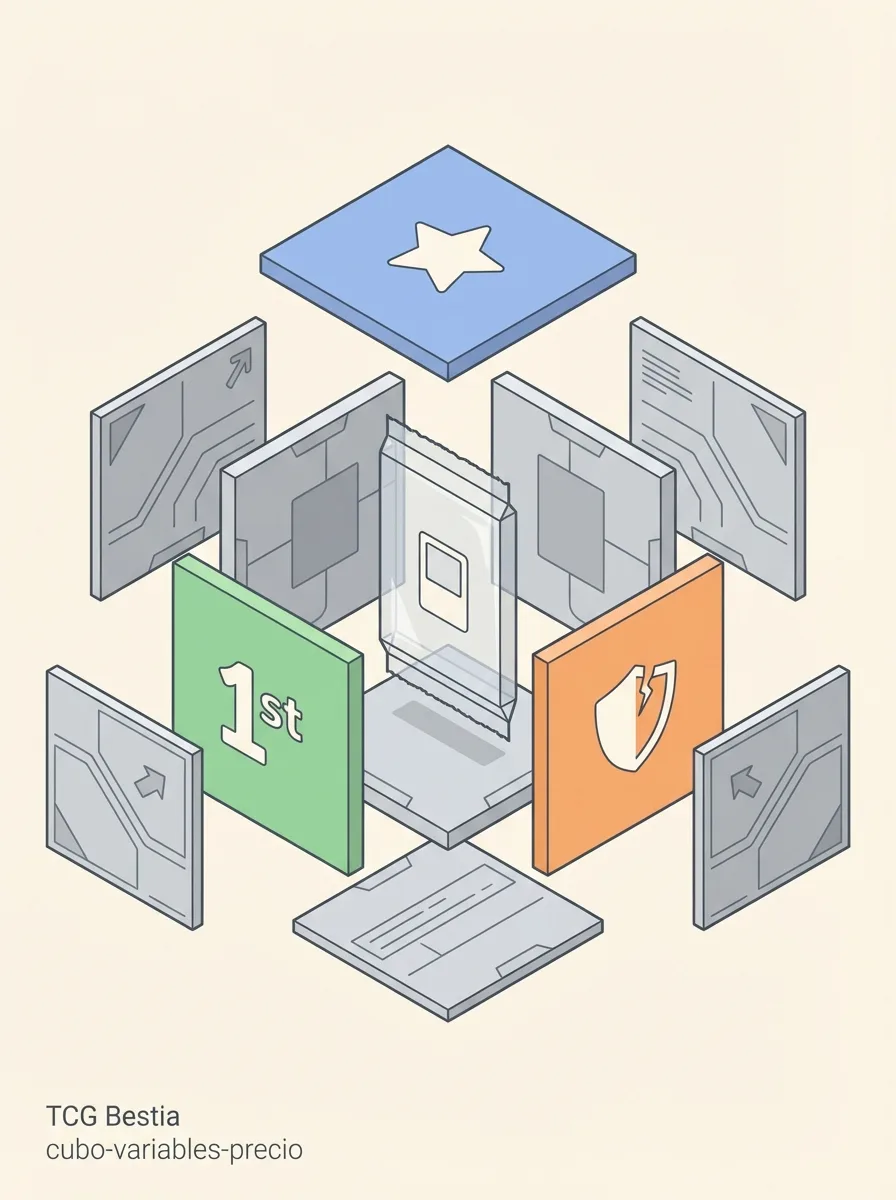
- No official competition. Your national distributor cannot undercut you on a product it cannot sell. Pricing is set by scarcity and collector demand, not by the recommended retail price of an allocated set.
- Thin supply. Everything in Europe arrived here because someone bought it in Japan and exported it. Supply is inherently limited.
- Authenticity risk in informal channels. Because demand outstrips supply, this category attracts counterfeits and resealed boxes on marketplaces. Sourcing matters more here than in any other sealed category — we cover the warning signs in our guide on how to spot fake Japanese Pokémon cards.
What it does for a store's positioning
Pokémon Center product has a clear pattern: it does not rotate like standard boosters, and it does not need to. It plays a different role.
It makes your store a destination
Collectors who want this product look for it actively. Being one of the few stores in your country that stocks it can bring in the collector who also buys booster boxes, singles and accessories on the same visit.
It supports a premium position
Because the product has no recommended retail price in Europe and cannot be ordered through the official channel, you price it against the collector market rather than against the shelf next door. That is a different conversation from selling allocated product.
It survives the release cycle
An allocated English set loses shelf appeal when the next set launches. A Pokémon Center exclusive can keep its appeal after its release window closes. Unsold stock in this category may hold its interest better than ageing inventory — but never guaranteed, and always depending on the specific release.
How to source it: the direct import route
Since there is no wholesale channel, European stores have exactly one professional option: a direct importer with buying capacity in Japan. When evaluating one, look at these four points — they matter more for this category than for any other:
- Verification. Ask how product is authenticated before it ships. TCG Bestia checks each batch before it leaves the warehouse.
- European stock. Product already in an EU warehouse means delivery within the EU with no customs friction, no surprise fees on your side.
- Proper B2B invoicing. With a valid intra-community VAT number you should be invoiced without VAT under the intra-community supply regime, like any other professional purchase.
- Honest availability. Pokémon Center product is scarce by nature. A supplier promising unlimited quantities of a limited release is telling you something about their supply chain — and it is not good news. We covered how to evaluate suppliers by channel type in our comparison of Pokémon TCG distributors in Europe.
TCG Bestia imports Pokémon Center exclusives and other Japanese product directly from Japan, alongside Japanese booster boxes, Korean product, One Piece Card Game and Dragon Ball Fusion World, and distributes them B2B to stores across the entire EU. The model is simple: direct sourcing in Asia, authenticity verification at origin, stock in Europe, EU-wide shipping.
How to price and present Pokémon Center product in your store
Because there is no recommended retail price for Europe, pricing this category is a skill, and getting it right matters.
Anchor to the collector market, not to your cost. Check what the specific bundle actually trades for among European collectors before setting your price. Pricing from cost-plus leaves money on the table on sought-after releases; pricing from fantasy kills rotation on ordinary ones. The market for this product is informed — your customers know what it is worth, which works in your favour when your price is fair.
Do not bury it on the shelf. Pokémon Center product earns its keep partly as a signal. Put it at eye level, behind the counter or in a display case, and label it for what it is: official Japan-exclusive product. The customer who walks in for booster packs and sees a Pokémon Center bundle learns something about your store — that you carry things the chain stores cannot get — even if they do not buy it that day.
Use it to reward regulars. When supply is tight, offering first pick of a new Pokémon Center arrival to your best customers converts scarcity into loyalty. A simple notification list for Japanese exclusives costs nothing and turns each restock into an event.
Rotate the assortment, not the category. Individual bundles sell through and disappear — that is the nature of limited product. The category itself should be permanent. A store that "sometimes has Japanese exclusives" gets occasional sales; a store that "always has something from Japan" gets a reputation.
The practical next step
If your store has never carried this category, start small: one or two sought-after Pokémon Center bundles alongside your regular Japanese order. Watch what they do for your foot traffic and your average collector ticket before scaling.
You can check conditions on the wholesale page or request a B2B account and ask specifically what Pokémon Center product is currently available — availability changes with each Japanese release cycle.