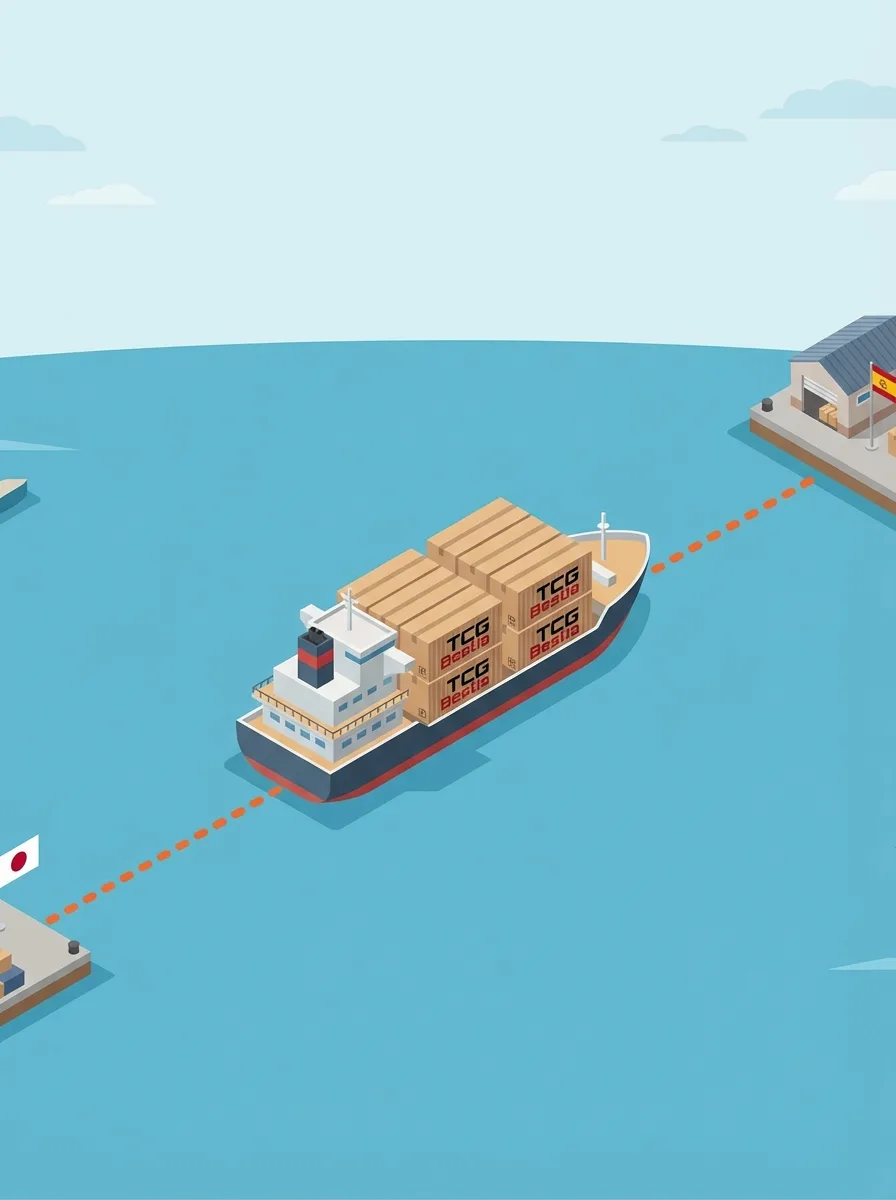
Short answer: You improve the margins of a card store mostly at the buying stage and in the product mix. Buy from your own sales data, avoid dead stock, plan launch reservations and stand out with Japanese, Korean and Chinese editions. A supplier that matches that way of working then makes the difference.
Most store owners look for the answer in the shelf price. In practice, the profitability of a trading card shop is largely decided before the product reaches the display case: what you buy, when you buy it and in what quantity. This guide lists seven levers and deliberately uses no percentages. Your margins depend on your country, rent, customers and terms, and only you know those.
How do you build a product mix that earns its place?
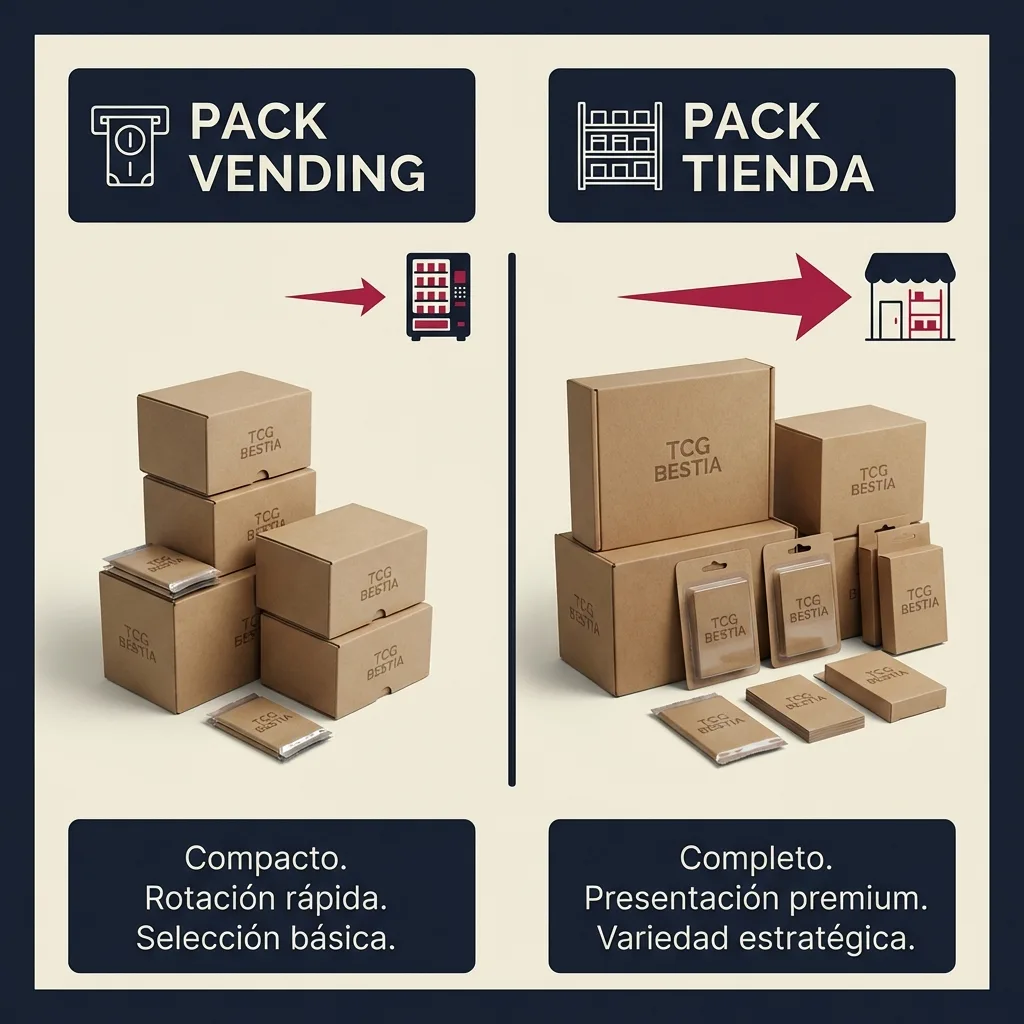
A healthy mix has three layers. Sealed product from current sets brings turnover with little handling. Singles and special cards attract the collector who keeps coming back. Accessories such as sleeves, binders and playmats complete the basket.
The danger is a one-sided shop. A store that only sells the same English sealed product as every online shop competes with everybody, all the time. If you are still deciding your opening range, how to open a TCG store in Europe covers the basics, and what European stores are buying in 2026 shows where demand sits.
Which seven levers do you control yourself?
| Lever | What you do | Where the benefit comes from |
|---|---|---|
| 1. Product mix | Combine sealed, singles and accessories on purpose | Less dependence on one product line |
| 2. Rotation | Reorder from what actually sold | Cash does not sit in unmoving boxes |
| 3. Dead stock | Spot slow lines early and act on them | Capital is released for products that sell |
| 4. Launch reservations | Collect demand before you order a new set | You buy closer to real demand |
| 5. Asian editions | Add Japanese, Korean and Chinese product | Fewer direct price comparisons |
| 6. In-store events | Give players a reason to visit | Repeat visits and a loyal base |
| 7. Supplier fit | Buy from a source that matches your range | Fewer gaps, fewer rushed purchases |
Why does rotation matter more than the price tag?
A box that sits on the shelf is money you cannot use elsewhere. Rotation means you track, per product line, what sold and what stayed, and you reorder accordingly instead of by feeling. A simple sheet is enough: product, quantity bought, quantity sold, quantity left. After a few cycles you see which lines deserve a deeper restock and which ones you should not reorder at all. The full method is in how to manage sealed Pokémon stock in your store.
How do you avoid dead stock?
Dead stock is product that stopped selling and now blocks your cash and your shelf. It usually starts with enthusiasm: buying a large quantity of a set because it looked exciting, without checking your own demand. Three habits prevent most of it: buy new sets against reservations where you can, reorder in smaller steps rather than one large purchase, and review slow lines on a fixed rhythm so you act while the product still has options. Reservations are covered in how to organise set reservations for your store.
Can Japanese, Korean and Chinese editions improve margins?
They can improve your position more than your price. Collectors who want these editions search for them, and they will not find them at every general retailer. That reduces direct comparison with large chains and marketplaces. The editions differ in audience and range, so read the guides before you buy: Japanese booster boxes, Korean cards and Chinese cards. To choose between them, see Japanese, Korean or Chinese: which edition should your store stock.
Do events and community improve margins?
Indirectly, yes. A player who comes every week also buys sleeves, boosters and singles, and tells friends. Events cost organisation time, so start small and repeat. See how to run tournaments in your store for a step-by-step plan.
What should you check in a supplier?
Margins are affected by supplier reliability as much as by supplier terms. Check that the supplier invoices properly for cross-border EU sales, that product is verified, that the range covers what your customers ask for and that you can plan around launches. Our distributor comparison lists the criteria.
How can TCG Bestia fit into your sourcing?
TCG Bestia is a B2B wholesaler for independent stores. We sell Japanese, Korean and Chinese editions of Pokémon, plus One Piece and Dragon Ball from Japan. Access requires a B2B account, with your VAT number verified in VIES, and we issue intra-community invoices and ship across Europe. If those editions fit the mix you are building, request a B2B account or read the wholesale page.